





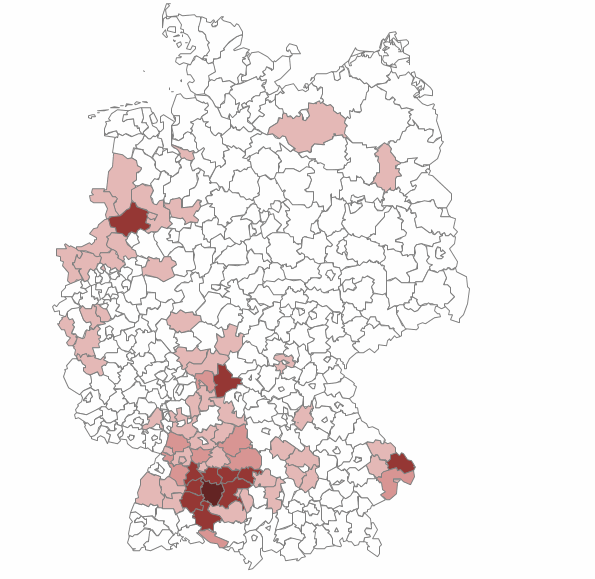
The extent of the extreme volatility in the number of cases 2001-2020 can be traced back to food supplies and climatic factors in particular. Bank mice benefit in so-called fattening years (Myodes glareolus), The main carriers of hantavirus, particularly regional oversupply such as oak and pecanque. Usually oaks are fattened every 5-10 years, and beech every 3-6 years.
Since droughts strongly stimulate fruit production, climate change reduces the gap between grow-out years. In 2020, after 2016, there was a year of oak fattening in the southwest, which is the region with the largest number of cases in 2021. In Reutlingen in particular, infections rose, like look at Map overview From Proplanta Offers. The reason for the increase in the number of cases in 2021 could also be due to the Covid-19 pandemic, as people are often outdoors (forests and parks) and thus become more infected.
As a rule, hantaviruses are transmitted indirectly to humans through the respiratory system through inhalation of virus-containing dust. Infection can also occur through droplets on contaminated food and through infected skin contact with contaminated dust. Direct transmission is also possible through bites or after contact with live or dead rodents or their excretions (saliva, urine, and feces).
Hantaviruses remain infectious outside the host even when they have dried up for up to two weeks. Person-to-person transmission of hantaviruses does not occur with viral variants occurring in Europe and Asia. The risk of infection is greatest between April and September.
Depending on the type of virus, hantavirus infection can cause serious human illnesses. The typical course of the illness is a sudden onset of fever that lasts for 3-4 days and is often accompanied by nonspecific flu-like symptoms such as headache and muscle pain. Hemorrhagic courses with acute renal failure are rather rare (<1%). It is possible that surviving infection will lead to special lifelong immunity to the virus.
Since there is no approved vaccine or treatment specifically targeted against the virus, one of the most important measures to avoid Hanta virus infection is exposure prevention.
Proplanta

Sylvia Plath writes for Social Post News, covering news, politics, business, technology, sport, entertainment, and lifestyle. She focuses on clear, reliable reporting and useful information, helping readers stay informed about current events, emerging trends, and stories that matter.




More Stories
Google Pauses AI Image Generation in Google Earth After Less Than 48 Hours
Bumblebees Show Problem-Solving Skills Once Thought Limited to Larger-Brained Animals
Artemis 2’s Orion Heat Shield Faces Critical Test as Astronauts Prepare for Fiery Earth Reentry