





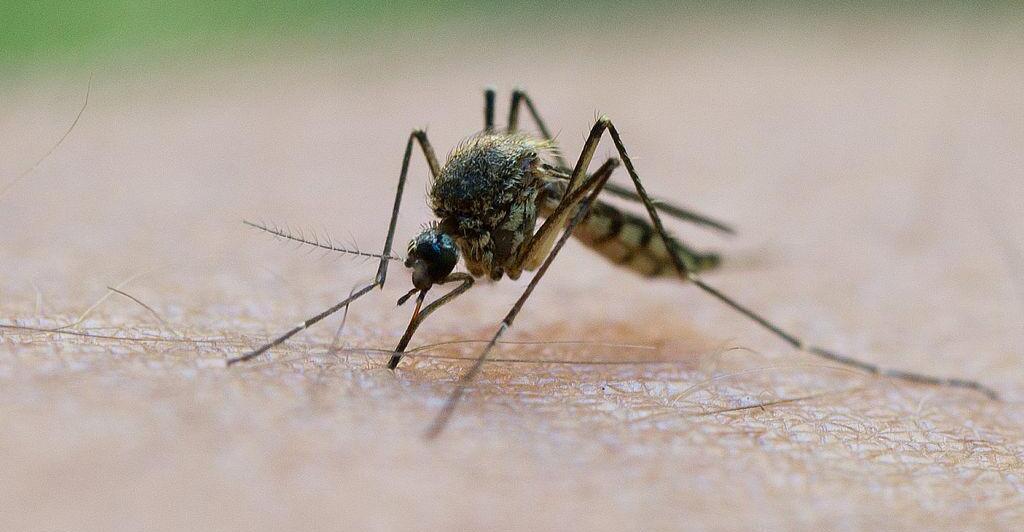
Specimens of the “Anopheles saccharovi” species were found in the province of Lecce in the Puglia region, south of the Adriatic Sea, Italy. Researchers say it is necessary to intensify surveillance in southern Italy to prevent the risk of a recurrence of the disease, according to a study by the top Italian health institute.
“We are monitoring its spread.”
“The presence of malaria-carrying mosquitoes is information that must be taken into due account. We are monitoring their spread,” explained Pierluigi Lopalco, professor of hygiene at the University of Salento. The presence of this species could be a result of climate change. The expert said, according to media sources: “We are certainly not talking about an imminent danger of malaria returning to Italy. But it is a warning that requires serious steps to continue improving mosquito control and reducing the spread of malaria.”
High temperature and diarrhea
Malaria is a disease caused by single-celled parasites of the genus Plasmodium. Symptoms appear seven to 15 days or more after the bites of the infected insect. They vary in nature, but usually consist of a very high fever, headache, vomiting, diarrhea, sweating, and chills. Nowadays, malaria is transmitted mainly in tropical and subtropical regions through the bite of female mosquitoes of the genus Anopheles.
The disease must be reported in Germany, Austria and Switzerland. In the first half of the twentieth century, Italy struggled vigorously against the malaria epidemic. Many swampy areas were drained to stop the spread of malaria.



Sylvia Plath writes for Social Post News, covering news, politics, business, technology, sport, entertainment, and lifestyle. She focuses on clear, reliable reporting and useful information, helping readers stay informed about current events, emerging trends, and stories that matter.




More Stories
Google Pauses AI Image Generation in Google Earth After Less Than 48 Hours
Bumblebees Show Problem-Solving Skills Once Thought Limited to Larger-Brained Animals
Artemis 2’s Orion Heat Shield Faces Critical Test as Astronauts Prepare for Fiery Earth Reentry