





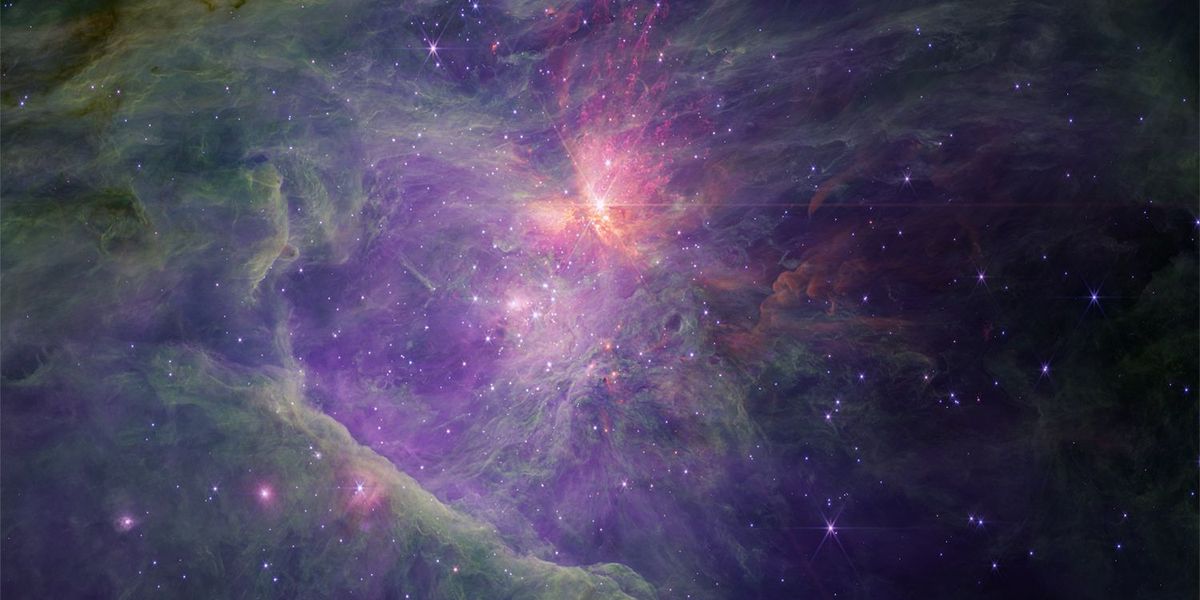
Cosmic drift
Up until now, the strange mega-beings were supposed to be expelled from their home system all together. But current analyzes speak against this
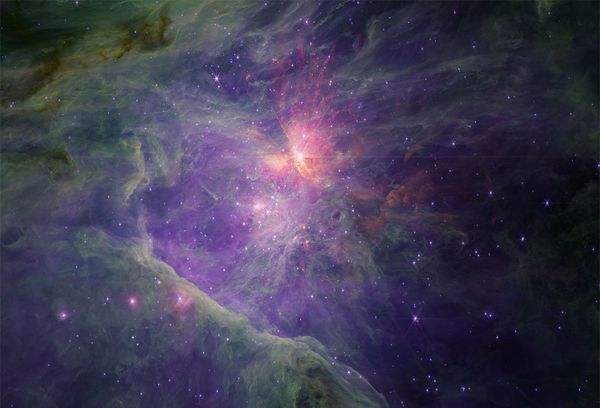
The Orion Nebula and the Trapezium Cluster are located about 1,400 light-years away. The region is a star-producing cradle, but planets without a parent star appear to be born there as well.
Exoplanets and planet-like worlds are not always associated with a star system. These “orphan” planets without a parent star have been known in astronomy for nearly 30 years and in some ways still cause headaches for experts. This is especially true of the variant discovered last year. Celestial objects, some of them massive, were observed in the Trapezium Cluster, an open star cluster 1,400 light-years away from us at the center of the Orion Nebula.
You decide how you want to use our content. Unfortunately, your device currently does not allow us to display relevant options.
Please deactivate All hardware and software components capable of blocking parts of our site. For example, browser add-ons such as ad blockers or network filters.
Do you have a PUR subscription?

Sylvia Plath writes for Social Post News, covering news, politics, business, technology, sport, entertainment, and lifestyle. She focuses on clear, reliable reporting and useful information, helping readers stay informed about current events, emerging trends, and stories that matter.




More Stories
Google Pauses AI Image Generation in Google Earth After Less Than 48 Hours
Bumblebees Show Problem-Solving Skills Once Thought Limited to Larger-Brained Animals
Artemis 2’s Orion Heat Shield Faces Critical Test as Astronauts Prepare for Fiery Earth Reentry