




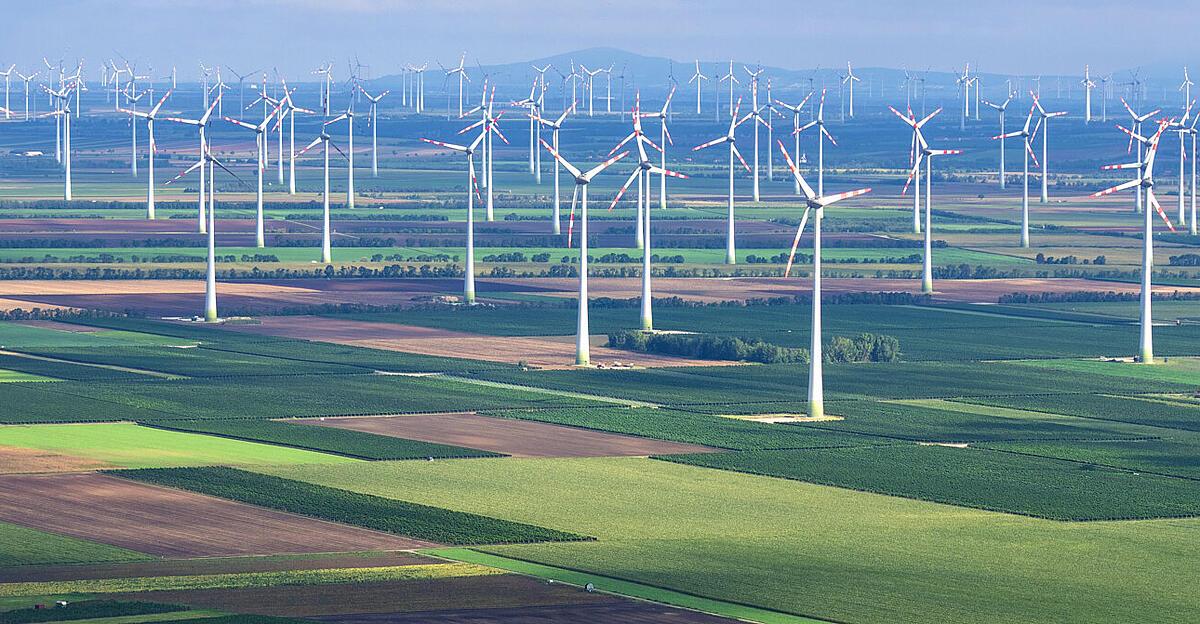
During the first 123 days of the year, Austria can mathematically cover its energy needs from natural sources (wind, water, sun). 90 percent of it is produced locally. For the rest of the year, the country relies on fossil fuels such as oil, coal and natural gas. In 2023, natural gas worth €4.3 billion was imported, including from Russia. “Exit provides the opportunity for greater domestic value creation and greater self-determination in our energy supply,” Guenter Baurich of the Austrian Energy Agency said on the occasion of the data presentation.
In electricity generation, the share of renewable energy sources is 75 percent, in heat it is 31 percent, and transportation comes in behind with 10 percent. The expansion of photovoltaics has increased dramatically, while the expansion of wind power is progressing more slowly, according to the IEA. The number of gas heaters installed is declining, but there is an increase in heat pumps.



Sylvia Plath writes for Social Post News, covering news, politics, business, technology, sport, entertainment, and lifestyle. She focuses on clear, reliable reporting and useful information, helping readers stay informed about current events, emerging trends, and stories that matter.




More Stories
Louisiana Declares Emergency as Record Diesel Prices Strain Farmers and Loggers
Colorado Springs Could Gain Second Stop on Colorado’s Front Range Passenger Rail Line Under New Draft Plan
Amazon Prime Day Deals Still Available: More Than 130 Discounts Remain on Apple, Oura, Sony and Other Top Brands