



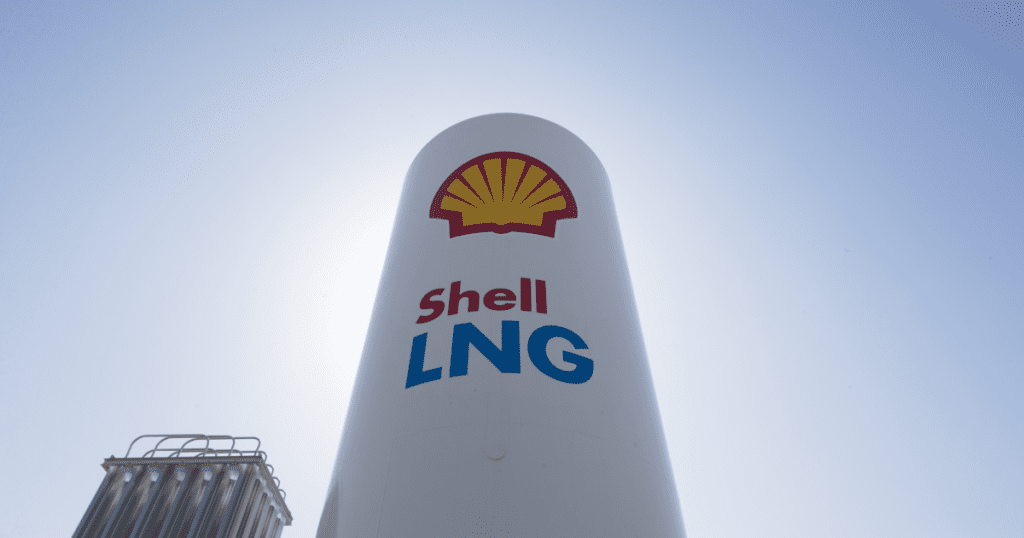
Shell wants to expand the network of LNG filling stations in Germany to 40 by the end of 2022. Due to its location, the St. Marienkirchen filling station represents an important node in the network in Germany, as well as a corridor to neighboring Eastern European countries. In heavy-duty long-distance traffic it reduces carbon dioxide emissions by up to 22 percent compared to diesel if it is composed of fossil natural gas. If bio-methane is used, during shell preparation, much better CO2 values can be achieved.
Shell has begun building a gas liquefaction plant to produce bio-LNG at Shell Energy and Chemicals Park Rheinland. The plant opens the possibility of reducing greenhouse gases by up to one million tons of carbon dioxide in long-distance road transport and is expected to supply Austrian heavy cargo traffic with bio-methane-based LNG and biogas from the second half of 2023. This is possible from Through the use of bio-methane, which is produced from sustainable residues such as liquid manure and manure.

Sylvia Plath writes for Social Post News, covering news, politics, business, technology, sport, entertainment, and lifestyle. She focuses on clear, reliable reporting and useful information, helping readers stay informed about current events, emerging trends, and stories that matter.


More Stories
Louisiana Declares Emergency as Record Diesel Prices Strain Farmers and Loggers
Colorado Springs Could Gain Second Stop on Colorado’s Front Range Passenger Rail Line Under New Draft Plan
Amazon Prime Day Deals Still Available: More Than 130 Discounts Remain on Apple, Oura, Sony and Other Top Brands